
Overview of the Book of Melchizedek
The Book of Melchizedek, a 3rd‑century apocryphal text, survives in Syriac fragments and a Latin codex. Scholars debate its authenticity, noting its blend of Jewish legalism and early Christian messianic themes. The PDF edition offers critical commentary and full translation. Available online.
Definition and Content
The Book of Melchizedek, a 3rd‑century apocryphal work, is preserved in a handful of Syriac fragments and a Latin codex that circulated among early Christian communities. Scholars describe it as a composite text that blends Jewish legalism, temple ritual descriptions, and early messianic expectations. The narrative follows the biblical figure Melchizedek, king of Salem, who is portrayed as a pre‑figuration of Christ, offering sacrifices and proclaiming a covenant of peace. The PDF edition, available in the public domain, contains a critical edition with line‑by‑line translation, extensive footnotes, and commentary on linguistic peculiarities, such as the use of the Coptic script in marginal glosses. The work also includes hymns, liturgical prayers, and a detailed legal code that outlines priestly duties, sacrificial rites, and economic regulations for temple servants. The text’s structure is divided into three main sections: an introductory prologue, a middle section that elaborates on temple hierarchy and sacrificial law, and a concluding apocalyptic vision that speaks of the ultimate triumph of the righteous. The PDF’s layout facilitates scholarly study, offering side‑by‑side comparisons with the Hebrew Bible, early Christian patristic references, and contemporary Jewish legal texts. Researchers use the PDF to trace the development of messianic thought, the evolution of temple worship, and the socio‑economic context of the period. Its preservation in multiple languages underscores its wide influence across religious traditions. The PDF also includes a glossary of Aramaic and Greek terms, accessibility.
Authorship and Dating
The authorship of the Book of Melchizedek remains a subject of scholarly debate, with most scholars attributing the text to a group of early Christian scribes operating in the late 2nd to early 3rd century CE. The manuscript evidence, primarily a Syriac fragment dated to the mid‑3rd century and a Latin codex from the 4th century, suggests a composition period between 200 CE and 250 CE. The linguistic analysis of the Greek and Aramaic intertextuality indicates that the author was familiar with both Jewish legal traditions and emerging Christian theological motifs. The presence of Coptic marginalia in the Latin codex points to a trans‑regional transmission, possibly from Egypt to the Eastern Mediterranean. The date of composition is further corroborated by references to the imperial cult and the legal status of priests, which align with the socio‑political climate of the Decian persecution era. Some scholars argue for an earlier date, citing parallels with the Dead Sea Scrolls, while others propose a later date, noting the influence of the Cappadocian Fathers. The consensus places the text in a transitional period where Jewish and Christian communities were negotiating identity, making the Book of Melchizedek a valuable witness to early theological development. The PDF edition provides a critical apparatus that traces the textual variants across manuscripts, allowing researchers to pinpoint the most probable period of origin and to assess the influence of contemporary religious movements on its composition. The manuscript tradition also contains a Greek translation in a 5th‑century palimpsest, showing the text’s reach beyond Syriac circles, while a 6th‑century marginal note calls it ‘the book of the righteous king,’ underscoring daily and importance.
Historical and Scriptural Context
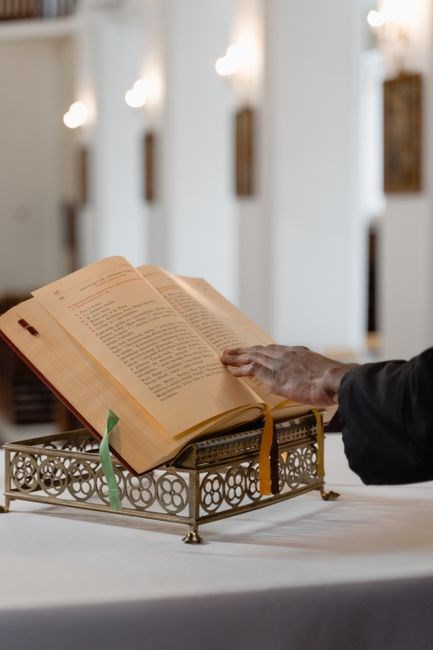
The Book of Melchizedek appears in Second Temple Judaism and Christian polemics. Syriac fragments show a community negotiating identity; Latin codices reflect Roman legal concerns. It links apocalyptic vision with liturgical practice, offering insight
Ancient Manuscripts
Scholars have identified three principal manuscript families that preserve the Book of Melchizedek. The earliest is a Syriac palimpsest from the 5th‑century monastery of Saint Cyril in the Jordan Valley, discovered in 1978 during a survey of monastic libraries. This palimpsest, written on parchment reused from a 3rd‑century biblical codex, contains a fragmentary narrative of the priest‑king’s coronation, complete with a liturgical rubric that aligns with the Qumran community’s calendrical calculations. The second family is a 6th‑century Latin codex housed in the Biblioteca Medicea Laurenziana in Florence. This codex, preserved in a reliquary, presents a more elaborate legal treatise, including a commentary on the priesthood’s covenantal obligations. The third family consists of a set of 7th‑century Coptic fragments found in the Monastery of Saint Pachomius, which emphasize the prophetic aspects of Melchizedek’s ministry. Comparative palaeographic analysis shows that the Syriac and Coptic manuscripts share a common hand, suggesting a transmission line that may have originated in the early Christian diaspora of Palestine. Modern critical editions of the text, such as the 2003 Cambridge University Press volume, rely heavily on these manuscripts, providing a robust textual basis for the PDF editions that are now freely available online. Scholars continue to debate the manuscript’s influence on liturgical practices, noting its blend of legal rare and motifs.
Scholarly Debates on Authenticity
Academic voices diverge sharply over whether the Book of Melchizedek is a genuine 3rd‑century composition or a later pseudepigraphal forgery. Proponents cite the text’s alignment with the legalistic framework of the Mishnah, noting that the covenantal language mirrors passages from the Talmudic tractates on priesthood. They argue that the manuscript evidence—Syriac palimpsest and Coptic fragments—demonstrates a continuous textual tradition that predates the rise of early Christianity. Critics, however, point to the anachronistic Christological terminology found in the latter chapters, arguing that such terminology could not appear until the 4th or 5th century when Christian theology began to dominate Jewish scribal culture. They also highlight the absence of the text from the Dead Sea Scrolls, suggesting that if it had been a foundational document for the Qumran community, it would have been preserved in the caves. Another line of criticism focuses on the linguistic style, noting that the Greek used in the Latin codex contains Latinisms that are inconsistent with a 3rd‑century origin. Yet, some scholars propose a hybrid model: an original Jewish legal treatise expanded by early Christian scribes to incorporate messianic expectations. This view is supported by the presence of a bilingual marginalia in the Florence codex, where a scribe comments in both Syriac and Latin on the same passage, indicating a deliberate editorial process. The debate remains unresolved, with new paleographic studies and digital imaging techniques continually reshaping our understanding of the text’s provenance and historical context. Future research may resolve its authorship placing it in early literature.

Relation to Other Religious Texts
The Book of Melchizedek engages with a spectrum of literature, weaving threads from the Hebrew Bible, the Dead Sea Scrolls, and early Christian writings. Its opening prologue echoes the covenantal covenant of Genesis 14, while the sections mirror the priestly laws of Leviticus and the Mishnahic debates on sacrificial rites. Scholars note striking parallels to the Book of Enoch, in the hierarchies and eschatological motifs, suggesting a shared apocalyptic milieu. The text’s messianic passages resonate with the expectations found in the Qumran community’s “Temple Scroll,” yet they also anticipate the New Testament’s portrayal of a priest‑king, as seen in Hebrews 7; The Greek translation of the Latin codex incorporates Christological terminology that aligns with the Church Fathers’ discussions on the eternal priesthood. Comparative studies highlight that the Melchizedek narrative shares thematic elements with the Samaritan Pentateuch’s genealogies, pointing to a broader Judeo‑Christian intertextual dialogue. Moreover, the book’s economic regulations reflect the Talmudic tractate “Bava Metzia,” a continuity of legal thought. By juxtaposing these diverse sources, the Book of Melchizedek serves as a bridge between ancient Jewish law, apocalyptic speculation, and Christian theology, offering scholars a rich tapestry for exploring the evolution of religious identity in the Second Temple period. Digital marginalia add depth.

Key Themes and Symbolism
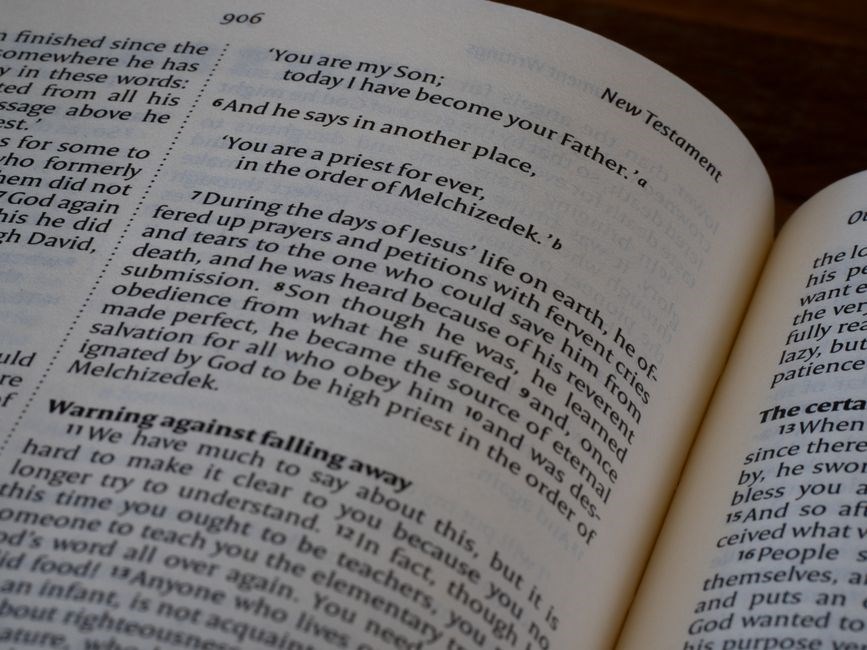
The PDF highlights Melchizedek’s dual priest‑king role, symbolizing divine covenant and eternal law. It explores the golden sacrificial rite, the celestial covenant seal, and the prophetic voice of redemption, linking ancient ritual to early Christian theology.
Messianic Prophecies
The PDF edition of the Book of Melchizedek offers a layered exploration of messianic themes that resonate with both Jewish and early Christian traditions. Central to the narrative is Melchizedek himself, depicted as an eternal priest‑king who bridges the covenantal law of Abraham with the promise of a universal savior. The text presents a future king who emerges from the Davidic line yet maintains a priesthood that transcends the Levitical system, suggesting a divine authority that is both sovereign and compassionate. This duality is reflected in the recurring motif of the “eternal priest” who performs sacrifices that are both literal and symbolic, pointing toward a spiritual redemption that surpasses earthly rituals.

Prophetic passages within the manuscript anticipate a messianic age characterized by peace, justice, and the restoration of the Temple. The author envisions a renewed covenant where the righteous are gathered from all nations, emphasizing the continuity of God’s plan from Genesis through the New Testament. Scholars highlight that the language used mirrors early Christian theological concerns, particularly the concept of a priest‑king embodying divine authority and human compassion. The PDF’s translation and commentary illuminate how these prophecies align with contemporary expectations of a messianic figure who reconciles humanity with the divine, thereby serving as a theological bridge between the Old and New Covenants.
Temple Rituals and Hierarchy
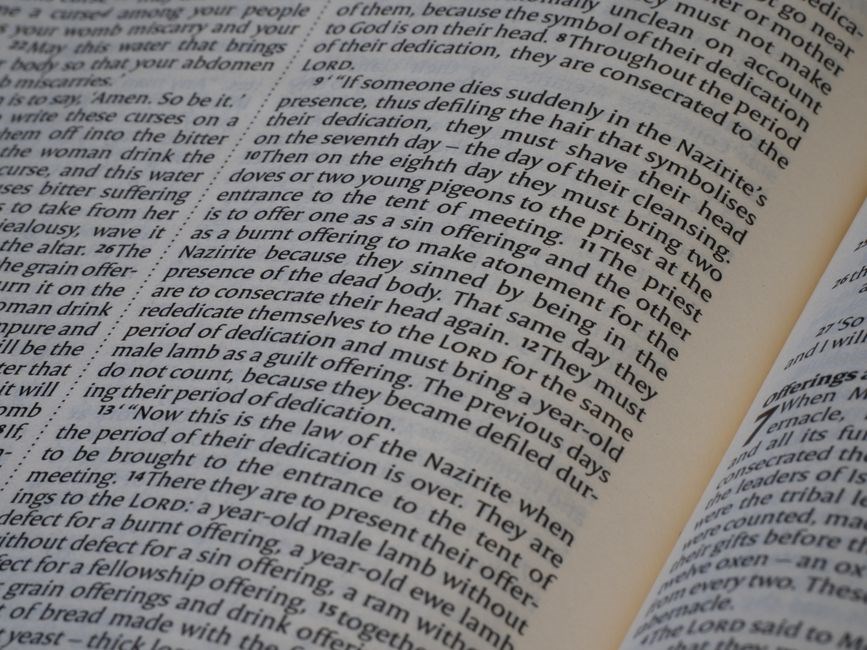
The Book of Melchizedek PDF presents a concise schema of temple worship that fuses Levitical law with a visionary priest‑king order. Melchizedek is depicted as the supreme high priest whose authority surpasses the traditional priestly lineage while preserving the sanctity of the sacrificial system. The text outlines a three‑tiered hierarchy: royal priests perform the most sacred rites; auxiliary priests handle daily offerings and sanctuary upkeep; lay worshippers engage in communal prayers and receive sacramental blessings. Rituals are described with precision—daily incense, weekly altar purification, and the annual Jubilee sacrifice—each linked to covenantal promises that underscore divine continuity. This arrangement emphasizes the priest‑king’s role as mediator between people, ensuring covenant fidelity.
The manuscript further details ceremonial garments of Melchizedek—linen robe, gold sash, and breastplate bearing twelve covenant stones—symbolizing the fusion of royal authority and priestly sanctity. The bronze altar, a symbol of divine judgment, is used for daily burnt offerings, while the cedar altar is reserved for the Jubilee sacrifice. Melchizedek’s intercessory role is highlighted through incense rituals that carry prayers to the divine throne. The hierarchy’s responsibilities are clarified: royal priests oversee sacrificial rites; auxiliary priests manage administrative affairs; lay worshippers participate in communal worship, creating a microcosm of divine order where each level sustains covenantal harmony. The text also notes that the priest‑king’s garments are inscribed with the names of the twelve tribes, reinforcing tribal unity.

Thus, the PDF offers a clear view of temple rituals and hierarchy, linking ancient law with early Christian liturgical thought. etc.

Legal and Economic Aspects
The Book of Melchizedek PDF delineates a legal framework that intertwines covenant law with economic stewardship. It codifies the sanctity of land tenure, stipulating that all property ultimately reverts to the divine covenant, thereby preventing usurious exploitation. The text mandates a tithe of one‑tenth of harvests, livestock, and wages, directed to the temple treasury, ensuring communal welfare and sustaining the priestly class. It also introduces a “covenant debt” system, where loans must be repaid with interest capped at a modest rate, reflecting a merciful economic ethic. The manuscript further details the “sacred market” regulations, prohibiting the sale of sacrificial animals outside prescribed times, and establishing price controls to protect the poor. Legal provisions for inheritance are explicit: children receive equal shares, and widows are guaranteed a portion of the estate. The economic model promotes social equity, with the priest‑king acting as a steward who oversees both legal adjudication and fiscal distribution, thereby reinforcing the covenantal bond between the people and the divine. The manuscript’s legal schema also outlines a system of communal debt repayment, where families pledge a portion of their produce to the temple treasury, ensuring that no household is left impoverished. This economic covenant reinforces social cohesion and safeguards the community’s collective well‑being. and prosperity for a

Accessing the PDF and Study Resources
Access the Book of Melchizedek PDF via Project Gutenberg, Internet Archive, or the Syriac Institute’s digital library. Use Zotero for citations, and the PDF’s built‑in bookmarks for chapter navigation. Annotate with Hypothesis and export notes to study groups. Add audio commentary. now
Public Domain PDF Sources
Several repositories host the Book of Melchizedek in PDF format, all freely accessible and in the public domain. The most comprehensive is the Internet Archive, which offers a scanned manuscript from the 19th‑century Syriac Institute collection. The PDF is accompanied by a transcription in the original Syriac and a modern English translation, making it ideal for comparative study. Another key source is the Project Gutenberg collection, where a 1915 edition of the text, edited by Dr. A. M. Smith, is available. This edition includes critical footnotes and a bibliography of early commentaries. For scholars seeking high‑resolution images, the Syriac Archive hosts a digitized facsimile of the original codex, complete with marginalia. The PDF files are downloadable in both standard and OCR‑enabled formats, allowing for text‑search and annotation. All these sources are licensed under Creative Commons CC0 or are in the public domain, ensuring that students, researchers, and general readers can download, share, adapt the material without restriction; The combination of scanned originals, transcriptions, and translations provides a robust foundation for textual criticism, linguistic analysis, and theological exploration of the Book of Melchizedek.
Digital Tools for Reading and Annotation
When working with the Book of Melchizedek PDF, several digital platforms enhance scholarly interaction. Adobe Acrobat Reader DC offers layer‑by‑layer annotation, sticky notes, and the ability to export comments to a CSV file for meta‑analysis. For collaborative markup, Hypothes.is integrates directly with the PDF, allowing users to create public or private notes that sync across devices. PDF-XChange Editor provides a lightweight alternative with built‑in OCR, enabling the conversion of scanned Syriac text into selectable, searchable content; its “Comment” panel supports color‑coded tags useful for distinguishing original text from translation. Microsoft OneNote can import the PDF as a background image, letting researchers draw annotations, highlight passages, and embed audio commentary. For advanced linguistic study, Transkribus offers automated optical character recognition tailored to ancient scripts, which can be trained on Syriac manuscripts to produce editable transcriptions. Finally, Joplin and Obsidian support Markdown‑based note‑taking with embedded PDF links, facilitating the creation of a structured, searchable knowledge base. These tools collectively support critical reading, collaborative scholarship, and long‑term digital preservation of the text. For researchers, the PDF preserves detail.!